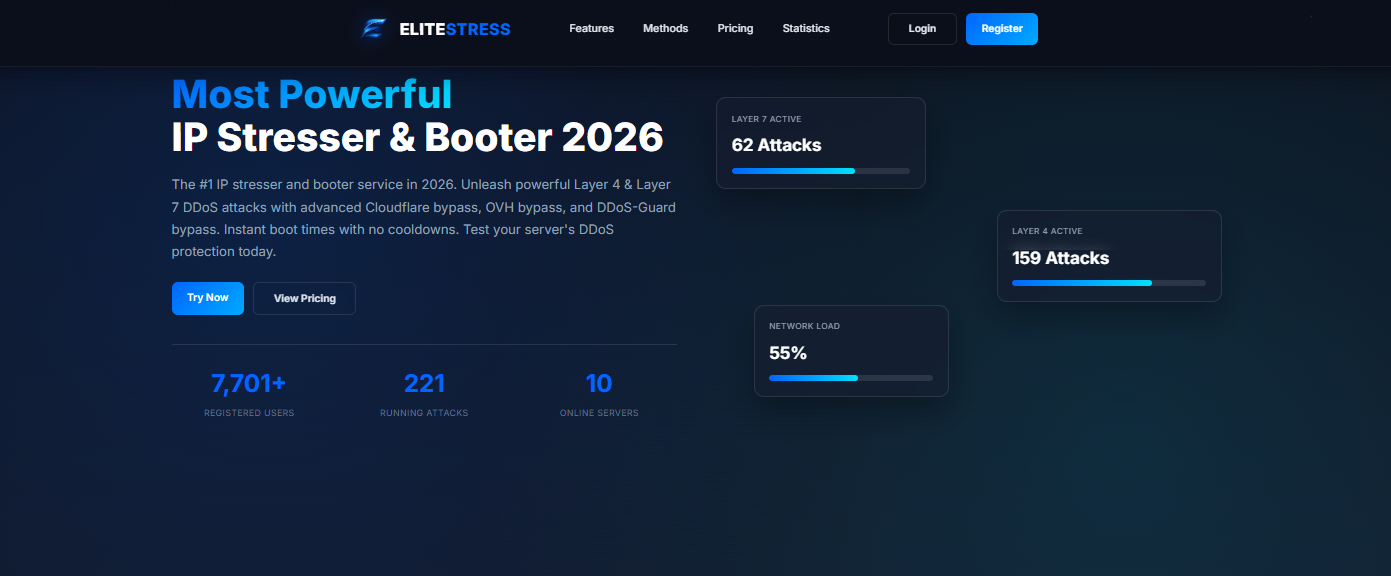
reaperstress
In recent years, the cybersecurity landscape has witnessed the emergence of a variety of tools that test network resilience, simulate attacks, or, unfortunately, are misused for malicious purposes. One such tool that has gained attention is ReaperStress. While its name may sound ominous, understanding its purpose and functionality is essential for both cybersecurity enthusiasts and professionals.
What is ReaperStress?
ReaperStress is a network stress testing tool, often categorized as a “stress tester” or “network testing software.” Its primary purpose is to simulate high levels of traffic towards a network, server, or website to test its resilience under extreme conditions. Organizations can use this type of tool to identify vulnerabilities in their systems before malicious actors exploit them.
While tools like ReaperStress can have legitimate applications in cybersecurity, it is also frequently associated with DDoS (Distributed Denial of Service) testing. DDoS attacks flood a target server with a massive volume of traffic, aiming to disrupt normal operations. ReaperStress can generate such traffic, making it both a valuable testing tool and a potentially dangerous software if misused.
How ReaperStress Works
At its core, ReaperStress functions by sending continuous network requests to a specific IP address or domain. This action simulates a surge in user activity or an attack scenario. Advanced versions of such tools often allow customization, such as varying the type of packets sent, the intensity of traffic, and the duration of the test.
For cybersecurity professionals, this functionality helps identify potential weak points in servers, firewalls, and applications. It also enables organizations to monitor their server performance under heavy traffic, which is crucial for maintaining uptime during peak periods.
Legitimate vs. Malicious Use
It is important to emphasize that ReaperStress, like many network stress tools, has both legitimate and malicious uses. Companies often employ stress testers to conduct penetration tests, ensuring that their infrastructure can handle high traffic volumes. Conversely, in the wrong hands, the same tool can be used to launch illegal DDoS attacks, causing downtime, financial losses, or reputational damage to the target.
Legal professionals and cybersecurity experts warn against the misuse of such tools, as unauthorized attacks on networks are considered cybercrimes in most countries. Users should always obtain explicit permission before testing a network or server with tools like ReaperStress.
Conclusion
ReaperStress represents a classic example of dual-use software: powerful for network testing yet potentially dangerous if used illegally. Understanding its capabilities and adhering to ethical practices is critical. For those interested in cybersecurity, exploring tools like ReaperStress in a controlled environment can offer valuable insights into network defense and resilience strategies.
About the Author